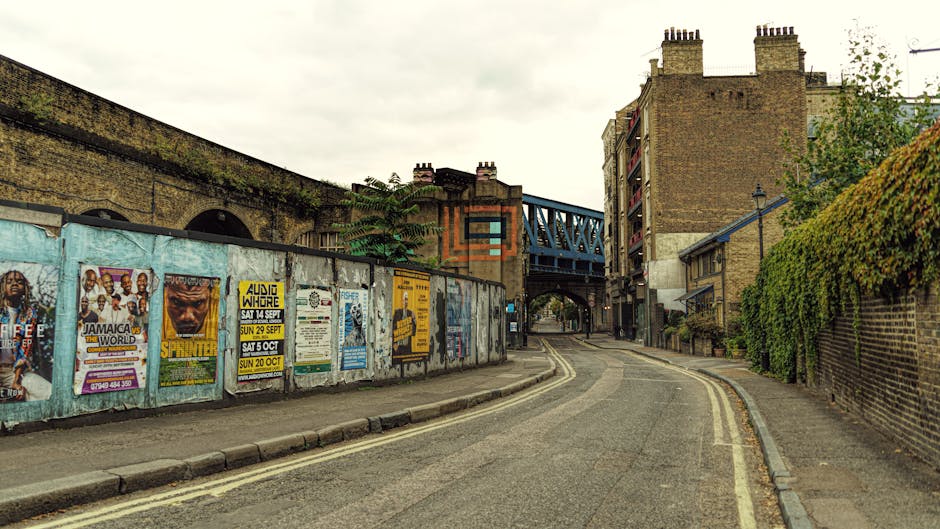
Man with van in Bermondsey for practical, careful local moves

Our man with van in Bermondsey service is designed for straightforward removals, item transport and small-scale moving support when you want a sensible way to shift belongings across town or across London. We handle loaded transport for household pieces, boxed contents, furniture and other everyday items that need to arrive together and in good order. The service suits customers who want the convenience of one arranged move rather than piecing the job together themselves.
As a man with van service, we focus on the essentials that make moving easier: a suitable vehicle, loading support and a clear plan for the items being moved. That can include rooms of furniture, single bulky pieces, mixed household effects or small business items that need practical handling. The emphasis is on organised transport, so the work stays efficient without losing attention to care, access and timing.
If you are planning a move or item collection in Bermondsey, the simplest way to begin is to gather the main details and request a quotation. A short outline of what needs moving helps us understand the scope and prepare a suitable response. Speak to us about the load, access and destination, and we can take it from there.
Household removals and room-to-room transport
For domestic work, our approach is built around the type of move rather than a one-size-fits-all format. Some customers need a few larger pieces taken between properties, while others want help with a fuller household shift involving boxes, furniture and fragile possessions. The service can be scaled to suit a flat, a terrace, a converted building or a larger home, with attention given to access, carrying routes and the safest order in which items are loaded.
We also support moves where not everything is going to one address. That might mean taking selected furniture to storage, shifting a mixture of items to family or combining several small runs into one organised trip. Useful information for a quote includes the items to move, the collection and delivery points, and anything awkward about stairs, parking or access. Keep it simple at the start and build from the core details. Home moves are often easier to manage when the list is clear and the plan is realistic.
In practice, household removals work best when the load is matched to the vehicle and the handling expected. Oversized wardrobes, dining tables, mattresses, white goods and packed boxes all require different care, and some pieces benefit from being moved in a particular order. We can also discuss whether dismantling is likely to help, especially for furniture that is too wide or awkward for a narrow staircase or doorway.
Item collections, furniture moves and small transport jobs

Not every booking is a full move. A man and van arrangement can be a practical option when you only need furniture pick-up, a few purchased items transported home, or a mixed collection of belongings moved between addresses. This is often the right scale for people who have one or two large pieces, a partial house clearance, or online purchases that need more than a standard car. The service is built around the item count, the dimensions and the handling needed.
Furniture transport is rarely just about lifting. It involves understanding weight, shape, surface finish and how to protect corners, glass, fabric or painted surfaces during loading and travel. Sofas, beds, cabinets and tables may need blankets, straps or careful stacking so they reach the destination in the condition you expect. If the load includes items with separate parts, it helps to note whether they are already dismantled or still assembled.
For smaller transport jobs, think in terms of what must be collected, where it is going and whether the journey can be completed in one visit. That makes it easier to judge the vehicle size and the handling needed at each end. Tell us if the collection point is a shop, storage unit, private home or office, and we can advise on the most suitable approach.
Packing, handling and preparing belongings for transport
Good preparation makes a removal easier to manage, especially when there are fragile items or mixed loads. Our packing and unpacking services page covers the sort of support that can help when the job needs more than transport alone. Packing is not only about boxes; it is about grouping items in a way that keeps the load stable and makes unloading more orderly at the destination. That matters for breakables, kitchen contents, books and anything with a delicate finish.
Where packing is not required, a sensible checklist still helps. Marking which items are staying together, setting aside essentials and separating anything that should not be stacked can save time on moving day. It is also useful to identify access issues early, because tight staircases, restricted parking and long carrying distances may influence how the job is planned. If you are asking for a quotation, a few photos or a short inventory can make the estimate more accurate.
We can also help with disassembly and reassembly where that is sensible for the item and clearly agreed in advance. Beds, shelving and some wardrobes are much easier to move once broken down, while other items are better left assembled to avoid unnecessary handling. The right choice depends on the furniture itself, the route out of the property and how it will be delivered at the other end.
Commercial moves and office removals
Business customers often need a move that is efficient, orderly and designed around equipment rather than household furniture. Our commercial moves work can support relocations of stock, files, office furniture, boxed equipment and other items that need to be transferred without unnecessary disruption. A commercial move may involve a single room, a shared workspace or a larger office floor, and the handling requirements can vary widely.
Office work usually benefits from clear sequencing. Chairs, desks, storage units, archive boxes and computers all need to be handled with an eye on both safety and continuity. Some items are straightforward, while others require extra caution because of weight, shape or sensitivity. The more accurately the load is described in advance, the easier it is to plan the right vehicle and the most practical order for loading and unloading.
If you are arranging a move for a workplace, it helps to think about what must be accessible first at the destination. That may include essential documents, a reception area, a working desk or particular equipment that should not be buried under the rest of the load. Office removals are often smoother when the contents are grouped by function before the day of the move.
What influences the quotation

The price of a removal or transport job is shaped by the practical details of the work. Distance, load size, access conditions and the level of handling required all matter. A small collection from one floor of a flat can be very different from a more involved move with several bulky items, difficult parking or a long carry from vehicle to door. Being clear about the items from the outset helps make a quotation more useful.
Useful information includes the number and type of items, whether anything is fragile or unusually heavy, and whether the property has stairs, lifts or limited loading space. If you want to keep the enquiry focused, it is often enough to list the largest pieces and the main boxes first. That gives a solid basis for planning before any finer points are added. The aim is not to make the process complicated; it is to make the estimate grounded in what actually needs moving.
A well-prepared quotation is about matching the job to the work involved, not about adding unnecessary complexity. If you are comparing options, ask yourself whether you need simple transport, a fuller moving service or additional packing support. Then choose the arrangement that best fits the load, the access and the time available. Pricing and quotes can be discussed once the essentials are known.
Loading, lifting and safe movement of household goods
Careful loading matters as much as the journey itself. Items should be arranged so heavier pieces support the load properly and delicate items are not compressed or exposed to avoidable movement. That is particularly important with mixed household jobs where soft furnishings, cabinets, boxes and loose items are all travelling together. A sensible loading order reduces the chance of damage and makes unloading easier at the destination.
Some jobs call for specific handling methods. Mirrors, artwork, glass tables and electronics may need extra separation, while awkward pieces such as exercise equipment or large appliances can require planning before they are lifted. We aim to keep the move organised and measured, not rushed. Man and van removals are at their best when the load is treated as a sequence of practical steps rather than a quick pile of items.
It is also worth considering the route through the property. Narrow hallways, shared entrances, basement steps and tight turns can affect how a piece is carried and whether it should be turned, lifted or dismantled first. When these details are known in advance, the move is easier to manage and the risk of accidental knocks is lower.
About Bermondsey
Bermondsey is an area in the London Borough of Southwark, lying on the south bank of the Thames and shaped by a long industrial and maritime past. Its history is closely tied to riverside trade, warehousing and food production, and the area still carries traces of that older landscape in its converted buildings, surviving industrial structures and streets laid out around former commercial activity. The district’s position beside central London has made it a place of repeated change, with old dockland uses giving way to housing, cultural venues and modern workplaces. Bermondsey Street is one of its best-known routes, combining historic fabric with contemporary cafes, galleries and independent businesses. Nearby, the Shad Thames area is recognised for its warehouses and overhead walkways, reminders of the time when goods were moved and stored along the river. The Thames Path runs close to the area and links Bermondsey to other parts of the river corridor, while Southwark Park provides a substantial open space with trees, sports facilities and a lake. Bermondsey also has a notable food heritage, reflected in institutions such as the local market tradition and the continuing association with wholesale and specialist trading. Transport connections, including Overground and Underground services, have reinforced the area’s role as a well-connected inner-London neighbourhood. At the same time, smaller side streets and residential pockets give it a more local character than its proximity to the City might suggest, with churches, schools and estate buildings sitting alongside newer developments. The result is a place where industrial memory, riverside geography and changing urban life sit close together.
Moving support for flats, houses and mixed loads
Different properties call for different handling. A flat move may involve shared entrances, lifts or narrow stairs, while a house move can bring longer carrying distances or more furniture to organise. Mixed loads are equally common: a few larger pieces from one address, a collection of boxes from another, or items being taken to storage rather than directly to a new home. The service adapts best when the move is described in practical terms rather than broad generalities.
For household customers, the key decisions are usually what travels, what stays behind and what needs extra protection. Soft furnishings can be bundled differently from books or kitchen contents, and heavier furniture should be loaded with stability in mind. If you are arranging a move with several stops, it helps to set out the order clearly. A tidy plan makes the day simpler for everyone involved and reduces unnecessary handling.
When you are ready to move forward, keep your list short but specific and we can help shape the arrangement around it. A modest amount of detail goes a long way. House removals can cover everything from a partial relocation to a fuller domestic move, depending on the items involved and the access at each address.
Why customers choose a man and van approach

A man and van style service is often chosen because it combines flexibility with enough support to handle real moving tasks. It can suit customers who do not need a large removal crew but still want reliable transport and proper lifting help. The balance is useful for local jobs, smaller domestic relocations and collections where the load is too awkward or too substantial for a car alone. It is also a practical option when timing matters and the job should be completed in a single, organised run.
The service can also be better value in situations where only a limited amount of transport is needed. Rather than paying for an arrangement that is larger than required, you can choose a format aligned to the actual load. That makes it easier to match vehicle size, route and handling to the task. Moving van support is especially useful when the main need is safe transport backed by sensible loading rather than a full-scale relocation package.
Common things people move this way include furniture bought second-hand, boxes from a room clear-out, a few domestic appliances, archive material, and the contents of small offices or studios. The list is varied, but the principle is consistent: arrange the load so it travels securely and reaches the destination in usable condition.
Planning the move and making the quotation straightforward
When you are preparing for a move, a short and accurate outline is more helpful than a long vague description. Note the collection address, delivery address, the type of property and the main items to be moved. If there are stairs, parking restrictions or narrow access points, mention them early so the job can be assessed properly. That kind of preparation does not need to be difficult; it simply keeps the quotation anchored to the reality of the move.
It also helps to decide what you want the service to include. Some customers only want transport, while others need help with lifting, dismantling or handling items that cannot be moved safely without care. If there are items that must be kept separate, or objects that should be loaded last and unloaded first, say so in advance. Clear instructions are easier to follow than assumptions made on the day.
To begin, send the basic details and ask for a quotation when you are ready. If you want to compare service levels or shape the move around a particular set of items, make that clear in your enquiry. Contact us to request a quotation and discuss the best way to move your belongings.
Service options for different kinds of removal work

Some customers want a general removal solution, while others are looking for a narrower service matched to a single task. That is why it can help to think about the exact purpose of the booking before you decide how to proceed. A flexible moving service can support a one-off item collection, a small domestic relocation, a workplace transfer or a more involved mixed load, provided the scope is clearly set out in advance.
Where the work is more specialised, we can focus on the relevant part of the job rather than treating every move the same. For example, a collection of furniture from a seller may need quick loading and careful handling, while a home move may need more attention to sequencing and household contents. If you are comparing options, removal services can cover a broad range of practical moving tasks, but the exact fit depends on the items, route and access involved.
If you have a move in mind, the next step is simple: set out what needs transporting and ask for a quote based on that information. We keep the process straightforward, with the focus on the items, the journey and the handling required. When the details are clear, it is easier to organise a move that feels calm, practical and well matched to the job.